Chinese Traditional Wear: Style Comparisons
Not sure which style fits your trip? Here''s how the major Chinese traditional clothing types compare — and how they stack up against Japanese and Korean traditional wear.
Hanfu vs Qipao
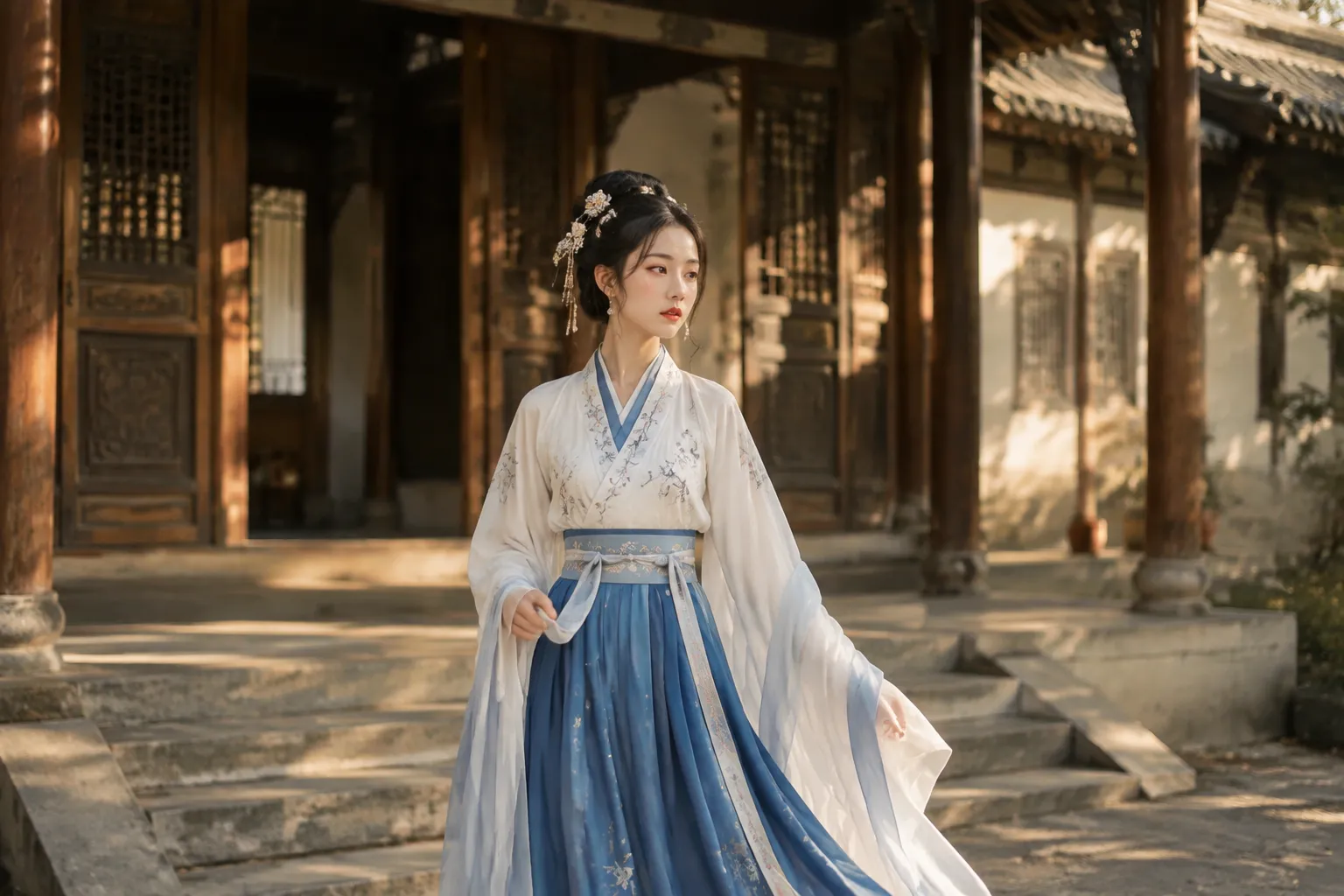
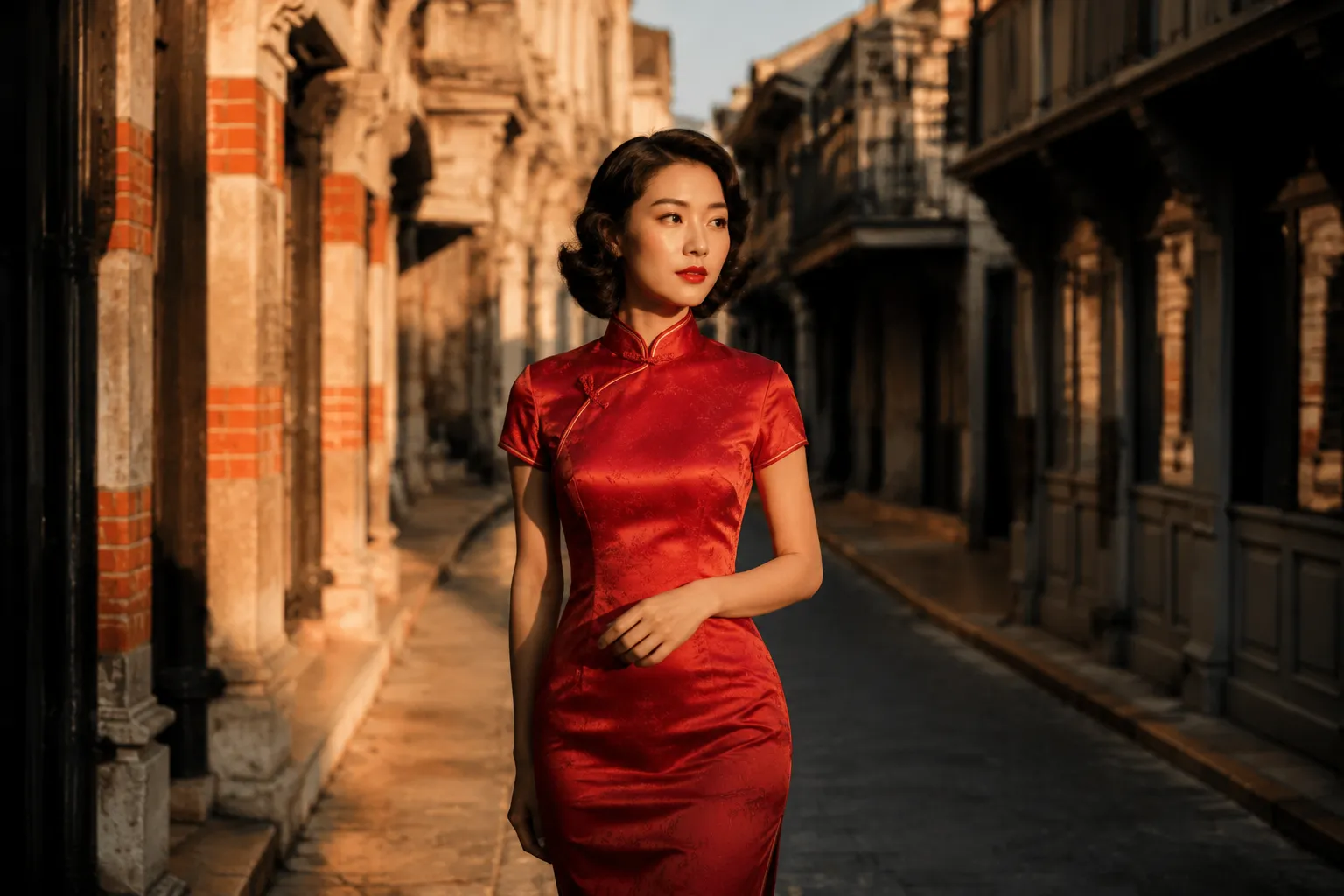
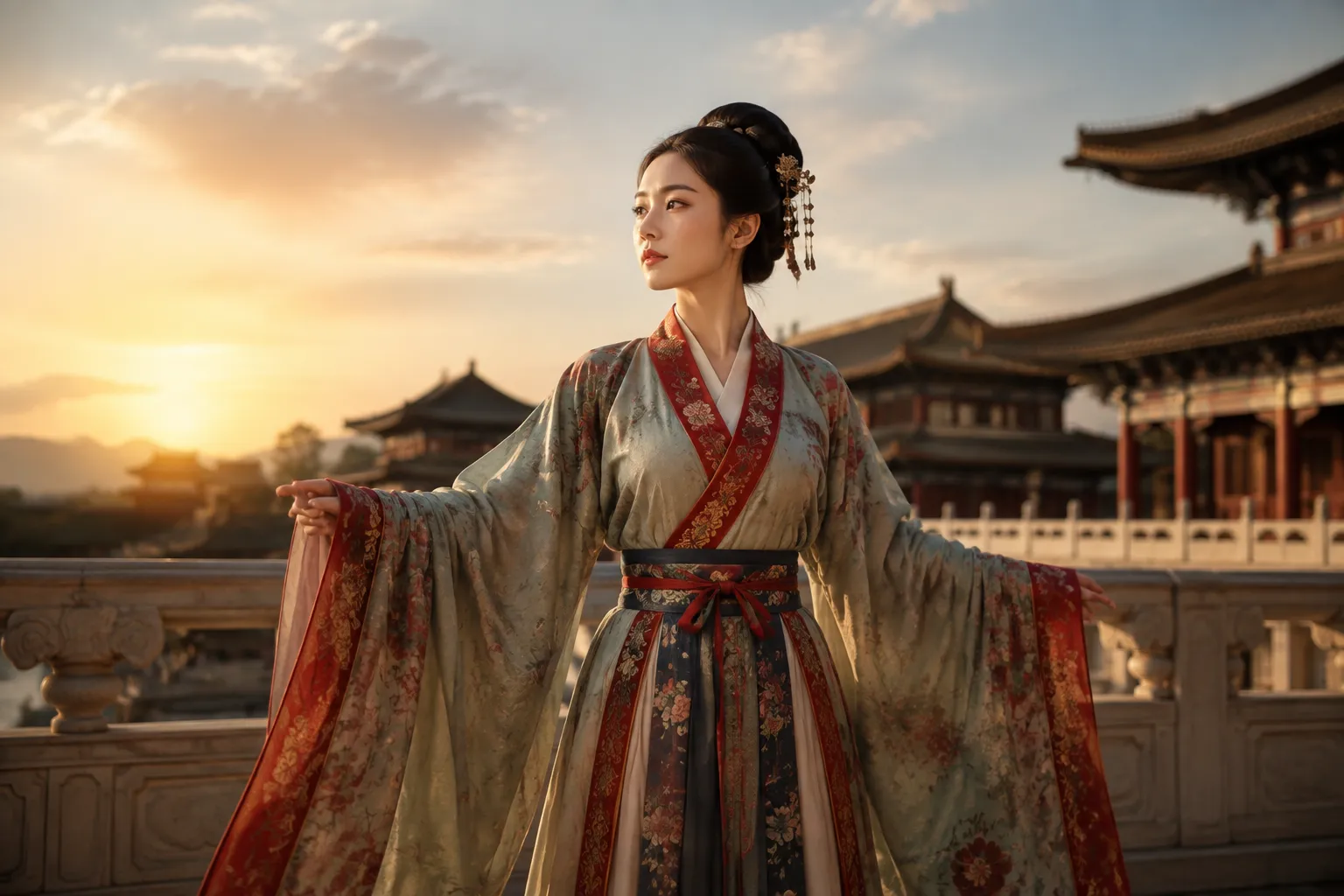
Hanfu is loose, layered, and flowing — think wide sleeves and floor-length robes dating back 3,000+ years. Qipao is form-fitting, single-piece, with a high mandarin collar and side slits, emerging from 1920s Shanghai. Hanfu best suits outdoor historical sites (Xi''an city walls, gardens); qipao suits urban evening settings (the Bund, cocktail events, fine dining). Hanfu rental: 100-300 RMB. Custom qipao: 300-800 RMB at South Bund Fabric Market. Read the full Hanfu vs Qipao comparison →
Hanfu vs Tang Suit
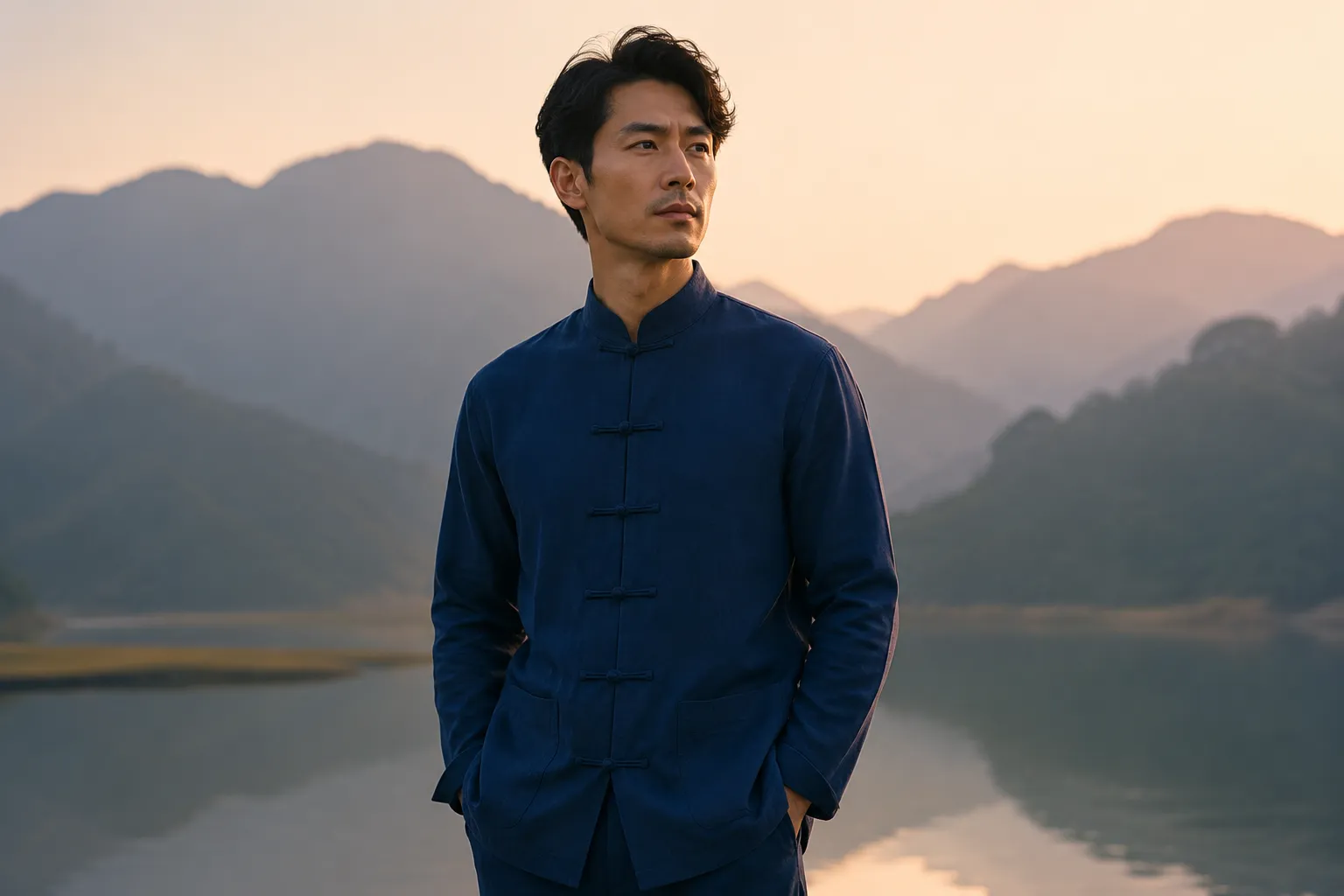
Hanfu is an entire outfit with multiple garment layers. Tang suit is primarily a jacket worn over your own clothes — far more practical for quick changes during a busy travel day. Hanfu photoshoots take 30-60 minutes of preparation. Tang suit experiences take 10-15 minutes. For travelers short on time but wanting a cultural fashion experience, Tang suit workshops in Beijing hutongs are the most efficient option. Cost: 50-150 RMB for Tang suit rental; 200-500 RMB for a custom-made jacket.
Chinese vs Japanese vs Korean Traditional Wear
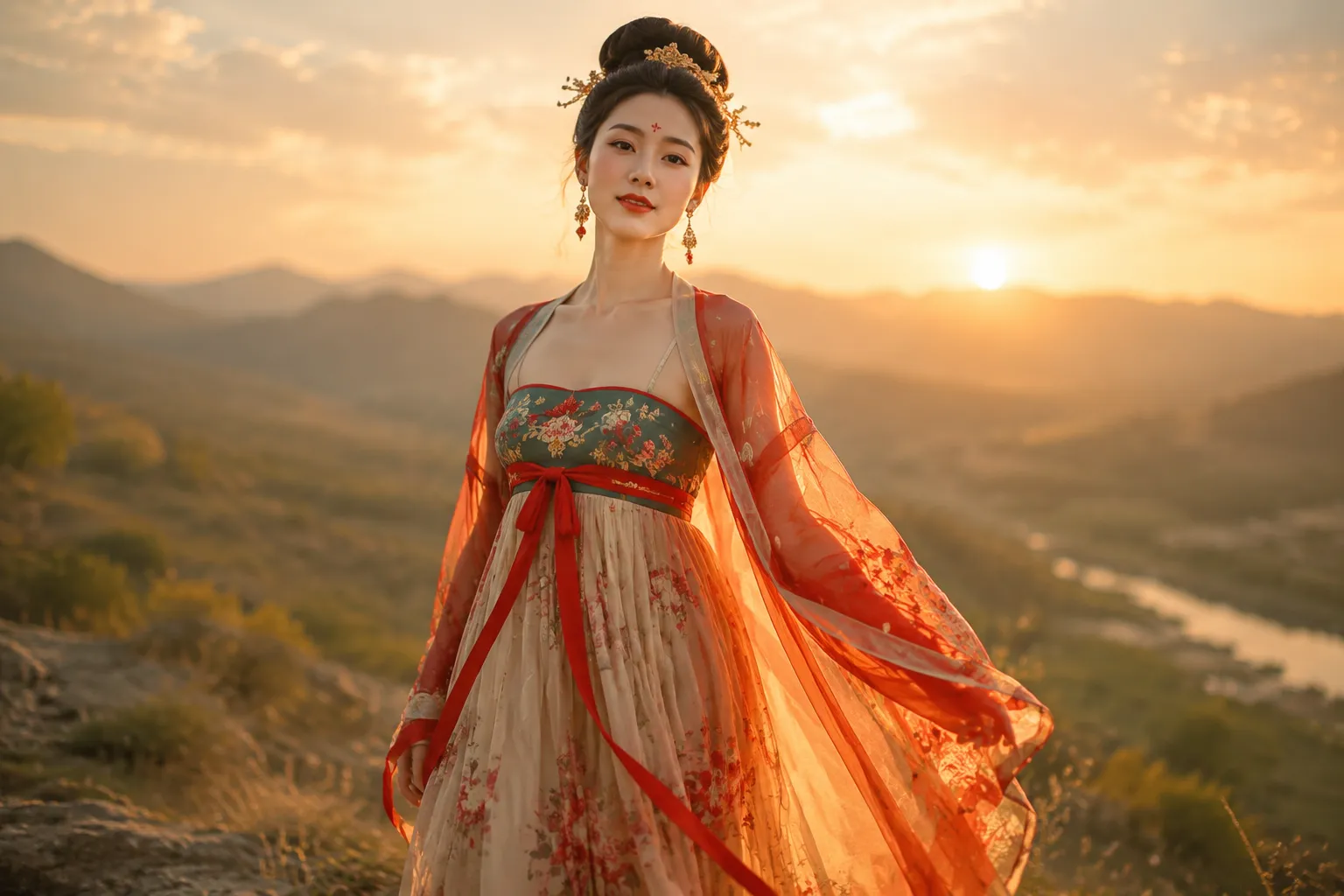
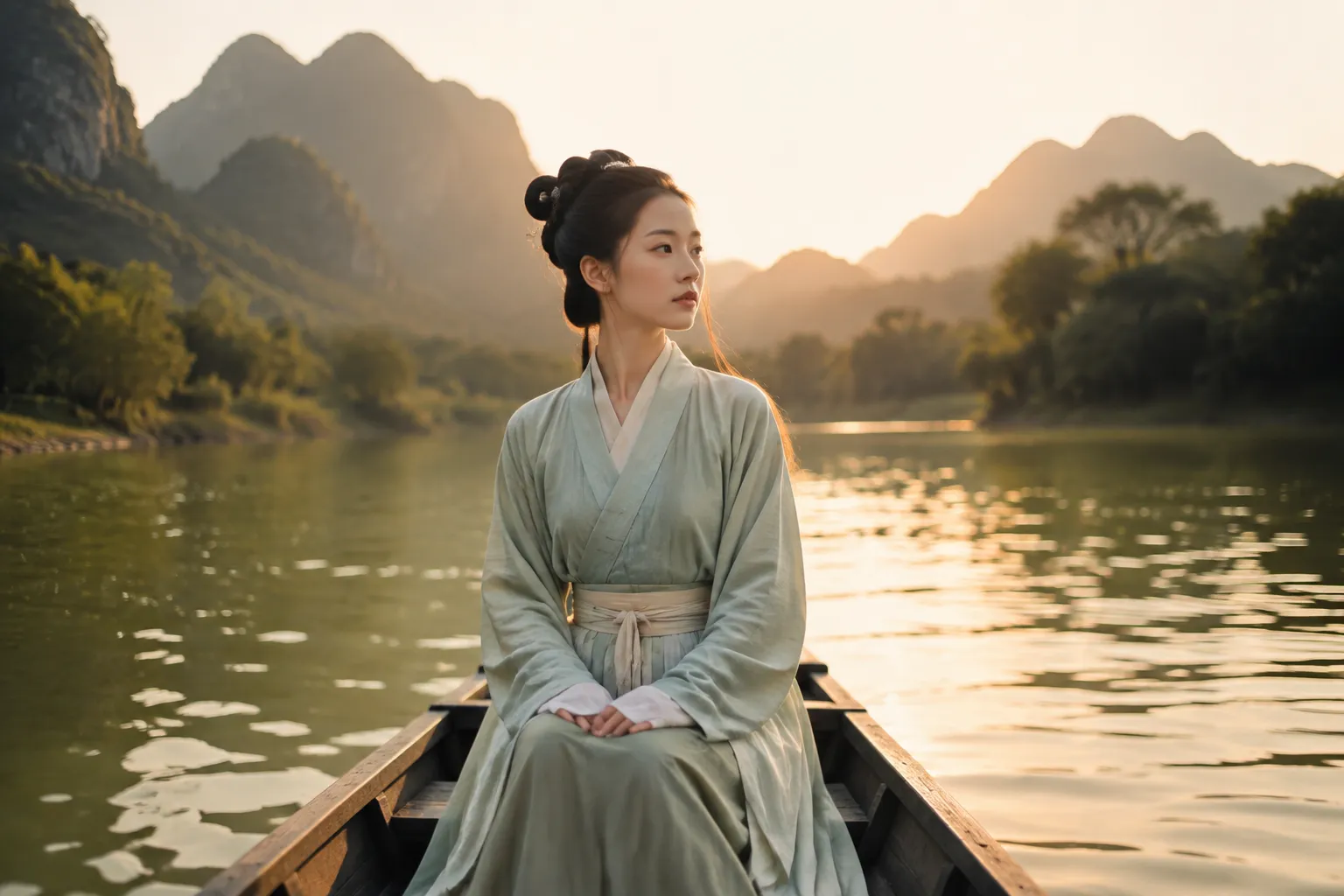
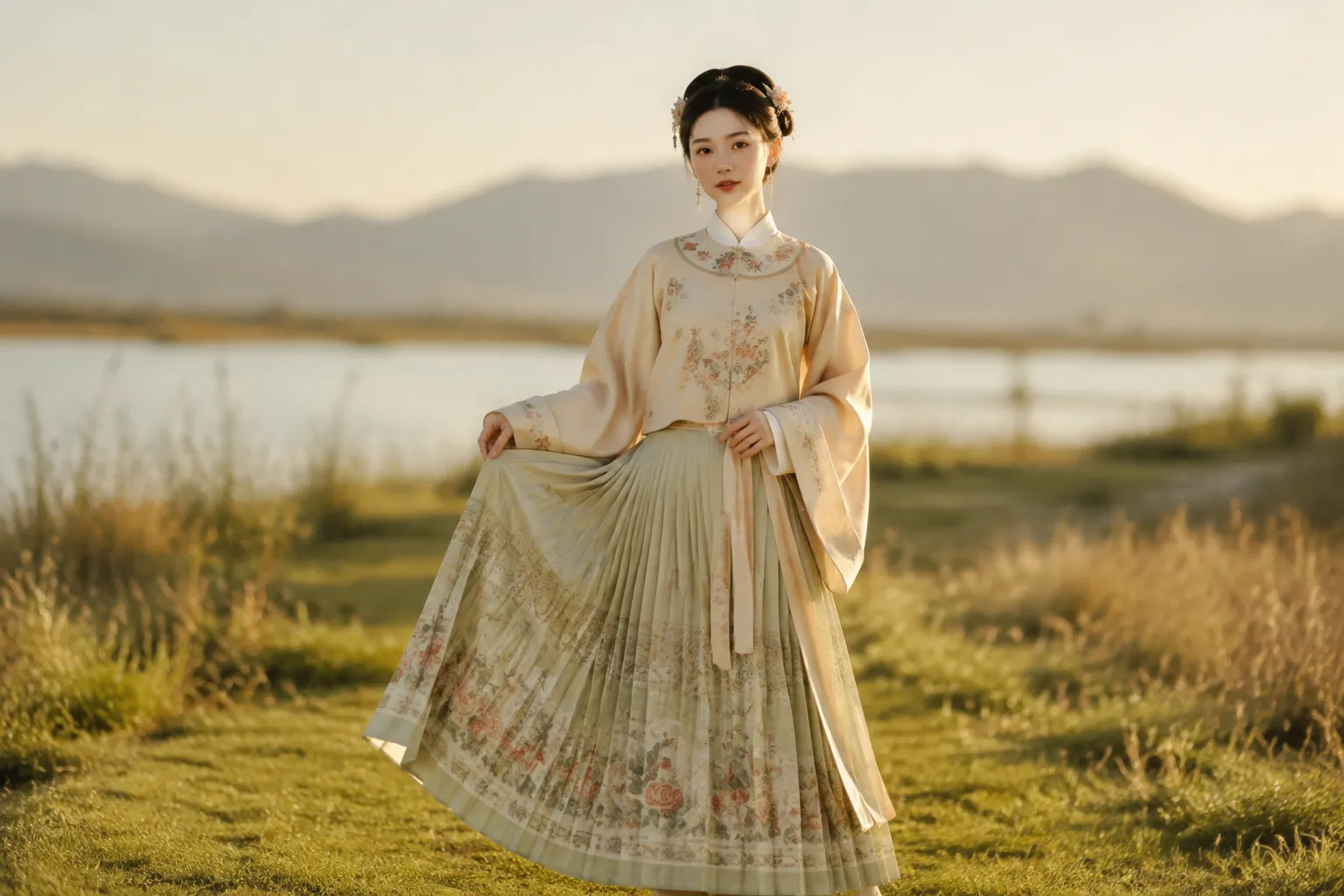
Chinese Hanfu uses cross-collars (right-over-left), wide sleeves, and flowing silhouettes with sashes. Japanese kimono wraps left-over-right with a broad obi belt creating a straight, tubular silhouette. Korean hanbok features a short jacket (jeogori) with a high-waisted, voluminous skirt (chima) creating an A-line shape. All three share silk as a primary fabric, but each evolved distinct silhouettes reflecting their culture''s aesthetic values: Chinese fluidity, Japanese structure, Korean volume. For travelers visiting multiple East Asian countries: Hanfu photoshoots in Xi''an are generally the most affordable (100-300 RMB vs 3,000-10,000 JPY for kimono in Kyoto vs 50,000-150,000 KRW for hanbok in Seoul).
Quick-Reference Comparison Table
| Style | Silhouette | Best For | Prep Time | Cost (RMB) |
|---|---|---|---|---|
| Hanfu | Loose, layered, flowing robes with wide sleeves | Historical site photoshoots (Xi''an, Luoyang) | 30-45 min | 100-500 |
| Qipao | Form-fitting one-piece, high collar, side slits | Evening events, urban settings (Shanghai) | 10-15 min | 100-800 (custom) |
| Tang Suit | Straight jacket, mandarin collar, frog buttons | Festivals, casual wear, souvenirs (Beijing) | 10-15 min | 50-500 (custom) |
| Zhongshan Suit | Tailored jacket, four pockets, turned-down collar | Formal occasions, wearable souvenir (Nanjing) | 10 min (off-rack) | 200-1,200 (custom) |
| Ethnic Minority | Varies: Miao silver+embroidery, Bai tie-dye, Tibetan chuba | Cultural immersion (Guizhou, Yunnan) | 15-30 min | 50-200 |
Which Style Should You Choose?
Choose Hanfu if you want the most dramatic, photogenic experience and have 1-2 hours to spare. Choose qipao if you want something elegant for an evening out or a custom-made souvenir. Choose Tang suit if you want something quick, comfortable, and wearable beyond the photoshoot. Choose ethnic minority clothing if you want an off-the-beaten-path cultural deep-dive in Guizhou or Yunnan. Many travelers combine two styles across different cities: Hanfu in Xi''an, then custom qipao in Shanghai.
Sources & Further Reading
- • China Culture.org — Ministry of Culture official resource on Chinese heritage and traditions
- • China National Silk Museum — world’s largest silk and textile museum, Hangzhou
- • The Palace Museum — original imperial robes and textile collections, Beijing
Last verified: August 3, 2026 · Our editorial team reviews and updates all guides regularly to keep pricing, hours, and travel advice current.